
Moving a vehicle across state lines? EverWide Car Shipping helps simplify interstate auto transport with flexible shipping options for individuals, families, dealerships, and businesses. Whether you're relocating, buying a vehicle out of state, or planning seasonal travel, explore convenient long-distance car shipping without the stress of driving your vehicle the entire way.
Moving a vehicle from one state to another requires planning, coordination, and an understanding of the transportation process. Whether you’re relocating for a new job, purchasing an automobile from an out-of-state dealership, or moving closer to family, interstate car shipping can help make the transition easier.
EverWide Car Shipping helps customers arrange state-to-state auto transport services for a variety of vehicle shipping needs.
Located in Dallas, Texas, we assist customers with planning vehicle transportation between destinations across the United States, subject to carrier routes and service availability.
Our goal is to make interstate shipping easier to understand by helping customers explore suitable transportation methods, prepare their vehicles, and coordinate pickup and delivery details.
State-to-state auto transport is the process of shipping a vehicle from a pickup location in one U.S. state to a delivery location in another.
Instead of personally driving the vehicle over hundreds or thousands of miles, customers arrange transportation through an auto carrier.
Interstate vehicle shipping is commonly used for residential moves, online vehicle purchases, business relocations, seasonal travel, and dealership inventory transfers.
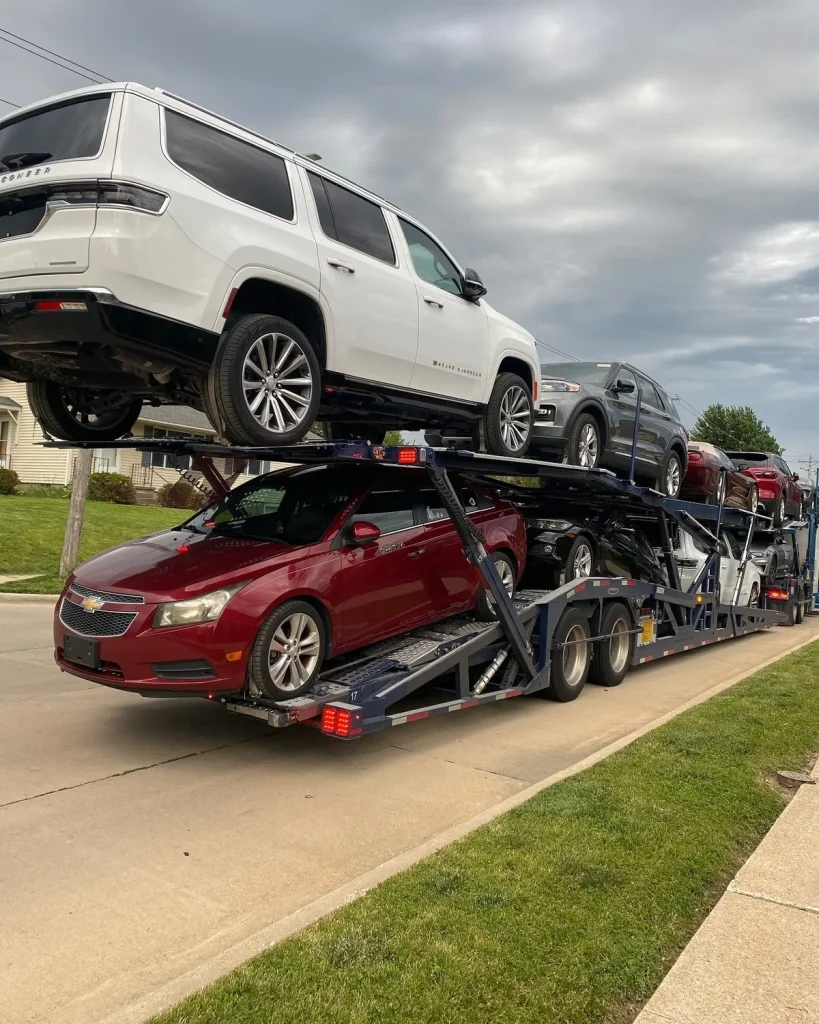
Depending on the customer’s needs, vehicles may be transported using open-air trailers or enclosed carriers.
Door-to-door pickup and delivery arrangements may also be available when the selected locations are accessible.
Reduce Long-Distance Driving
Driving across multiple states can require considerable time, fuel, accommodation expenses, and vehicle wear.
Auto shipping allows customers to relocate a vehicle without personally completing the entire journey.
Save Time During Relocation
Moving to another state often involves coordinating housing, employment, utilities, and family responsibilities.
Arranging vehicle transportation can free up time to focus on other important aspects of the move.
Avoid Additional Vehicle Mileage
Long-distance driving increases odometer mileage and contributes to tire wear and routine mechanical use.
Shipping your vehicle helps avoid those additional driving miles.
Flexible Transportation Choices
Customers can choose between open and enclosed transport depending on vehicle type, budget, and protection preferences.
Convenient Vehicle Delivery
When available, door-to-door arrangements allow vehicles to be picked up and delivered near preferred addresses, reducing the need to visit transportation terminals.
People arrange interstate vehicle transportation for many reasons.
A family relocating from Texas to another state may need to transport an additional household vehicle.
A college student may need a car delivered to a university campus.
An online buyer may purchase a vehicle from a dealership or private seller hundreds of miles away.
Seasonal residents may move vehicles between their primary and vacation homes.
Businesses may need to relocate company vehicles or coordinate fleet movements between operating locations.
Whatever the reason, understanding the shipping process helps customers choose the right transportation arrangement.
Start by requesting a shipping quote with accurate vehicle information and pickup and delivery locations.
Include the vehicle’s year, make, model, and operating condition, along with your preferred transportation dates.
Next, review the available options and select a transportation method suited to your needs.
Open transport is often a cost-conscious option for standard vehicles, while enclosed shipping may be preferable for valuable or specialty automobiles.
After confirming your shipping arrangements, prepare the vehicle for pickup.
Remove personal belongings, photograph the vehicle’s condition, check for fluid leaks, and follow the carrier’s instructions.
At pickup, the carrier inspects the automobile and records its condition before loading.
During transportation, transit times may be affected by mileage, weather, traffic, driver schedules, and route conditions.
When the vehicle arrives, inspect it carefully and complete the delivery documentation.
Interstate auto transport timeframes vary depending on the distance, route, carrier schedule, and other transportation conditions.
A shipment between neighboring states will generally require less driving time than a shipment between distant regions.
However, total shipping time may include both the pickup scheduling window and the actual time spent in transit.
Weather disruptions, traffic, regulatory driving-hour limits, and changes in carrier availability may affect delivery estimates.
Customers should discuss expected pickup and delivery windows before finalizing their transportation arrangements.
State-to-state vehicle shipping prices depend on several factors.
Distance is a major consideration, but the final quote also depends on vehicle dimensions, operating condition, transportation method, seasonal demand, route popularity, and location accessibility.
Open transport generally costs less than enclosed shipping.
Vehicles requiring special equipment or additional loading assistance may involve higher transportation costs.
Flexible pickup dates can sometimes make it easier to identify suitable carrier options.
For accurate pricing, request a personalized quote based on your vehicle and destination.
Before arranging interstate transportation, confirm the pickup and delivery addresses and identify any location restrictions.
Prepare the vehicle by cleaning it and taking clear photographs of its current condition.
Remove personal belongings and loose accessories unless the carrier specifically permits them under the shipping agreement.
Keep the vehicle accessible during the pickup window and make sure someone is available to complete the inspection process.
Review the shipping agreement, payment terms, cancellation provisions, and applicable insurance information.
Finally, maintain communication regarding estimated pickup and delivery arrangements.
EverWide Car Shipping focuses on helping customers navigate interstate transportation with clear information and practical planning assistance.
We understand that shipping a vehicle is often one part of a larger move or important purchase.
Our goal is to make the transportation process easier by helping customers understand their options and prepare for the journey.
Whether you’re relocating from Dallas, buying a vehicle in another state, or planning a long-distance move, EverWide Car Shipping can help you explore transportation options.
Call (469) 698-4308 or contact us online to request your interstate auto transport quote.
Find answers to some common questions about car shipping and vehicle transportation.
Car shipping costs depend on several factors, including the distance between pickup and delivery, vehicle size and condition, transport method, seasonal demand, and route availability. Open car transport is generally more affordable than enclosed shipping. Contact EverWide Car Shipping for a quote based on your specific shipment.
Transit time varies based on mileage, carrier schedules, road conditions, weather, and pickup or delivery accessibility. Shorter routes generally require less travel time, while cross-country shipments can take several days or longer. Pickup windows and delivery estimates should be confirmed when arranging transportation.
Both methods serve different needs. Open transport is a practical and budget-friendly choice for most everyday vehicles. Enclosed transport provides additional protection from weather, road debris, and exterior exposure, making it especially suitable for luxury, exotic, classic, and collectible cars.
You or an authorized representative generally need to be available for vehicle inspection, paperwork, and key handover at pickup and delivery. If you cannot attend personally, discuss authorized representative arrangements before the scheduled pickup.
Clean your vehicle, photograph its condition, remove personal belongings and loose accessories, check for fluid leaks, and maintain an appropriate fuel level—commonly around one-quarter of a tank, subject to carrier instructions. Inform the transport coordinator about mechanical issues, modifications, or special loading requirements.

